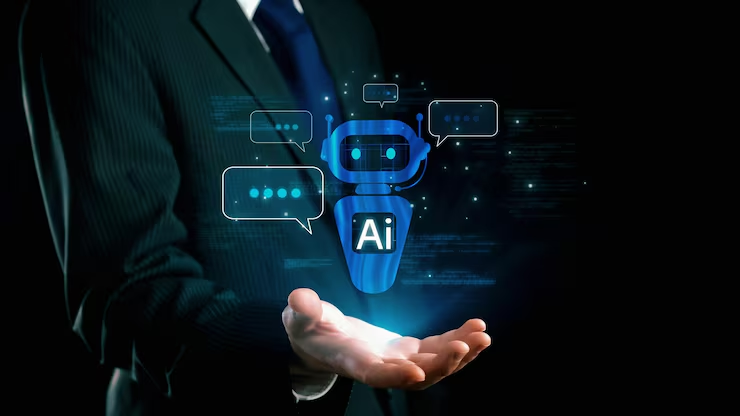
Engineering organizations are under constant pressure to deliver faster, reduce errors, and manage increasingly complex workflows. Traditional automation tools can help with repetitive tasks, but they often lack adaptability and intelligence. This is where AI agent process automation is transforming how engineering teams design, build, test, and operate systems.
By combining artificial intelligence with autonomous software agents, engineering businesses can automate processes that previously required constant human intervention—while still maintaining precision, scalability, and control.
What Is AI Agent Process Automation?
AI agent process automation refers to the use of intelligent, autonomous agents that can perceive data, make decisions, and take actions across engineering workflows. Unlike rule-based automation, AI agents learn from data, adapt to changes, and optimize processes continuously.
In engineering environments, these agents can interact with multiple systems—such as CAD tools, project management platforms, simulation software, and data pipelines—to coordinate tasks and streamline operations without manual oversight.
Why Engineering Teams Are Adopting AI Agent Process Automation
Engineering processes are often multi-layered, data-heavy, and time-sensitive. Manual coordination between teams and tools creates bottlenecks, delays, and errors. AI agent process automation helps eliminate these challenges by enabling smarter, self-managing workflows.
Key drivers for adoption include:
- Increasing project complexity
- Demand for faster delivery cycles
- Need for higher accuracy and compliance
- Rising operational and labor costs
AI agents act as digital collaborators, supporting engineers rather than replacing them.
Key Engineering Use Cases for AI Agent Process Automation
Design and Simulation Automation
AI agents can automatically run simulations, analyze results, and suggest design improvements based on performance criteria. This reduces repetitive testing cycles and accelerates design validation.
For example, an AI agent can monitor simulation outputs and trigger additional tests when performance thresholds are not met—without waiting for manual input.
Workflow and Project Management
Engineering projects involve multiple dependencies across teams. AI agent process automation enables agents to track task progress, allocate resources, flag risks, and update timelines dynamically.
This leads to better coordination, fewer delays, and improved visibility across engineering programs.
Quality Control and Compliance
AI agents can continuously monitor quality metrics, detect anomalies, and validate compliance with engineering standards. Instead of relying on periodic audits, organizations gain real-time quality assurance.
This is especially valuable in industries such as manufacturing, aerospace, energy, and infrastructure engineering.
Predictive Maintenance and Operations
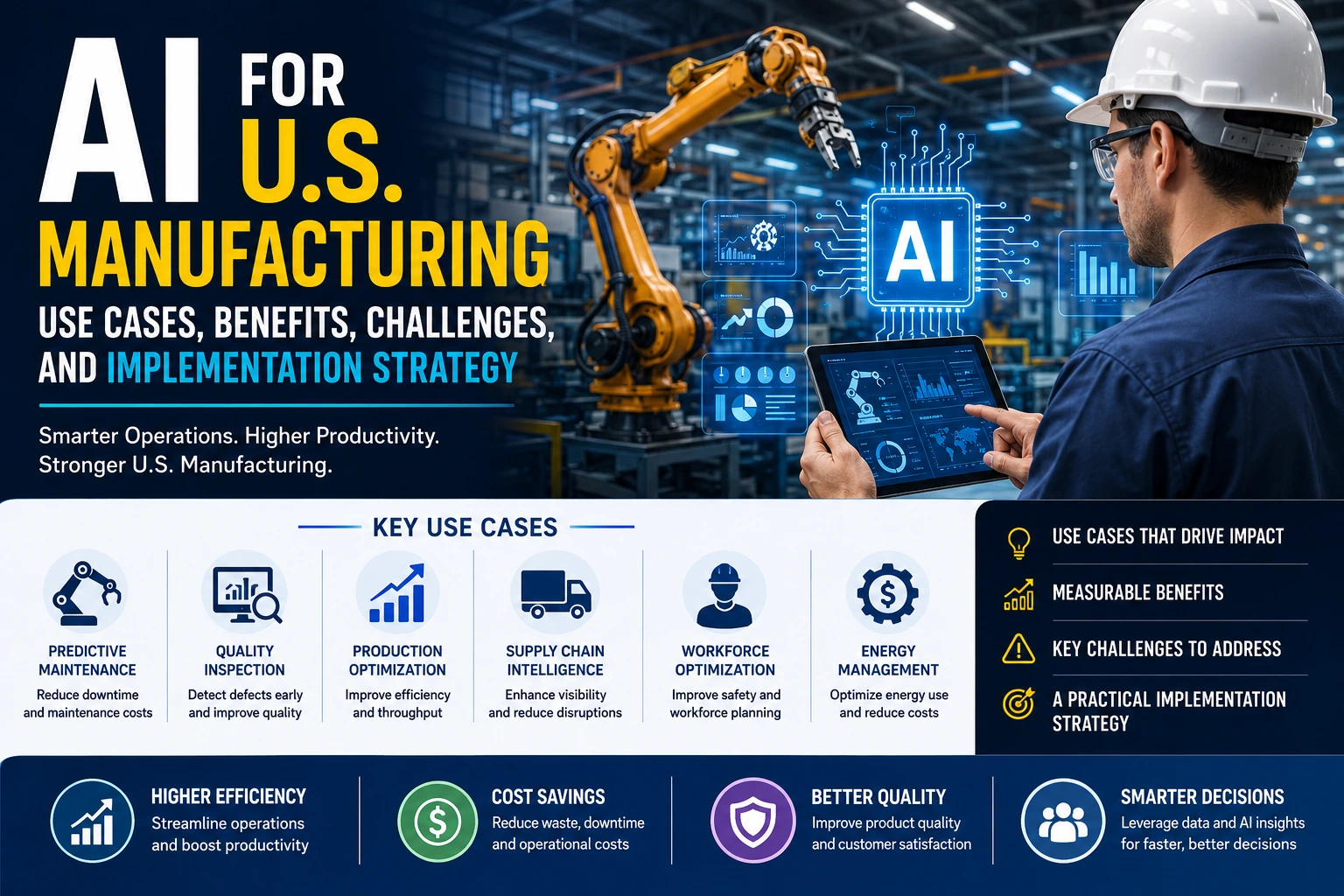
By analyzing sensor data and historical performance, AI agents can predict equipment failures before they occur. Automated alerts and maintenance workflows help engineering teams reduce downtime and extend asset life.
AI agent process automation ensures that maintenance actions are triggered at the right time, based on actual conditions rather than fixed schedules.
Benefits of AI Agent Process Automation for Engineering
Increased Efficiency and Speed
AI agents operate 24/7 and handle multiple tasks simultaneously. This dramatically reduces cycle times for engineering processes such as design iterations, testing, and reporting.
Reduced Human Error
Automated decision-making based on data and models minimizes manual mistakes, improving accuracy across engineering workflows.
Scalable Operations
As engineering organizations grow, AI agent process automation scales without proportionally increasing operational overhead. New workflows and systems can be integrated quickly.
Smarter Decision-Making
AI agents analyze large volumes of engineering data and provide insights that help teams make informed decisions faster.
How AI Agents Differ from Traditional Automation
Traditional automation follows fixed rules and breaks when conditions change. AI agent process automation is adaptive—it learns from outcomes and adjusts actions over time.
Key differences include:
- Rule-based automation reacts; AI agents reason
- Traditional scripts execute tasks; AI agents manage workflows
- Static logic vs. continuous optimization
This makes AI agents particularly suitable for engineering environments where conditions evolve constantly.
Implementing AI Agent Process Automation Successfully
To get the most value, engineering organizations should:
- Identify high-impact, repeatable processes
- Ensure clean, accessible data sources
- Integrate AI agents with existing engineering tools
- Start with pilot workflows before scaling
- Continuously monitor performance and outcomes
A strategic approach ensures automation delivers measurable results without disrupting ongoing operations.
The Future of Engineering Automation
AI agent process automation is not a trend—it’s becoming a foundational capability for modern engineering organizations. As AI models advance, agents will become more autonomous, collaborative, and capable of handling complex, cross-functional engineering tasks.
From concept to production and maintenance, AI agents will play a central role in how engineering teams innovate and operate.
Final Thoughts
Engineering organizations that adopt AI agent process automation gain a powerful advantage: faster execution, higher quality, and smarter operations. By moving beyond basic automation and embracing intelligent agents, teams can focus more on innovation and problem-solving—while AI handles the heavy lifting.
As engineering challenges grow more complex, AI agents will be essential partners in building efficient, resilient, and future-ready systems.